From academic research to enterprise AI applications
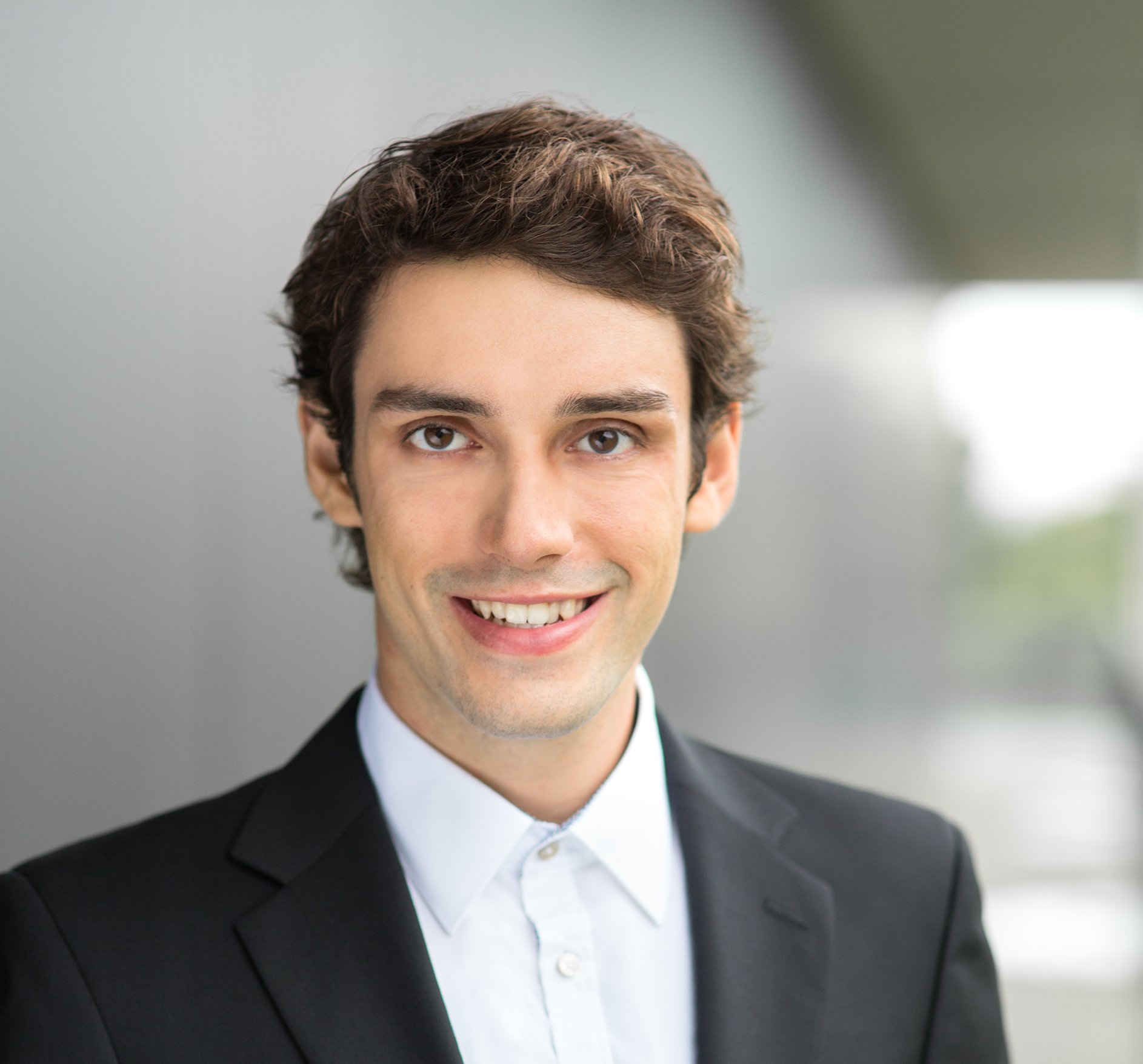
I'm an AI Research Engineer with a unique blend of deep academic expertise and practical enterprise experience. My journey began with a fascination for how intelligent algorithms could unlock insights hidden in complex scientific data.
During my PhD in Biophysics at the University of Würzburg, I developed ReCSAI, a groundbreaking approach that combines compressed sensing with deep neural networks for super-resolution microscopy. This work, published in BMC Bioinformatics, represents a fundamental advancement in how AI can be applied to scientific imaging challenges.
My research spans computer vision, scientific machine learning, and enterprise AI systems. I've contributed to 16 peer-reviewed publications with over 372 citations, including multiple papers in the prestigious Nature family of journals.
Currently, I work as an SAP AI Consultant, where I bridge the gap between academic AI research and enterprise applications. This role has given me invaluable insights into the challenges of deploying AI at scale in real-world business environments.
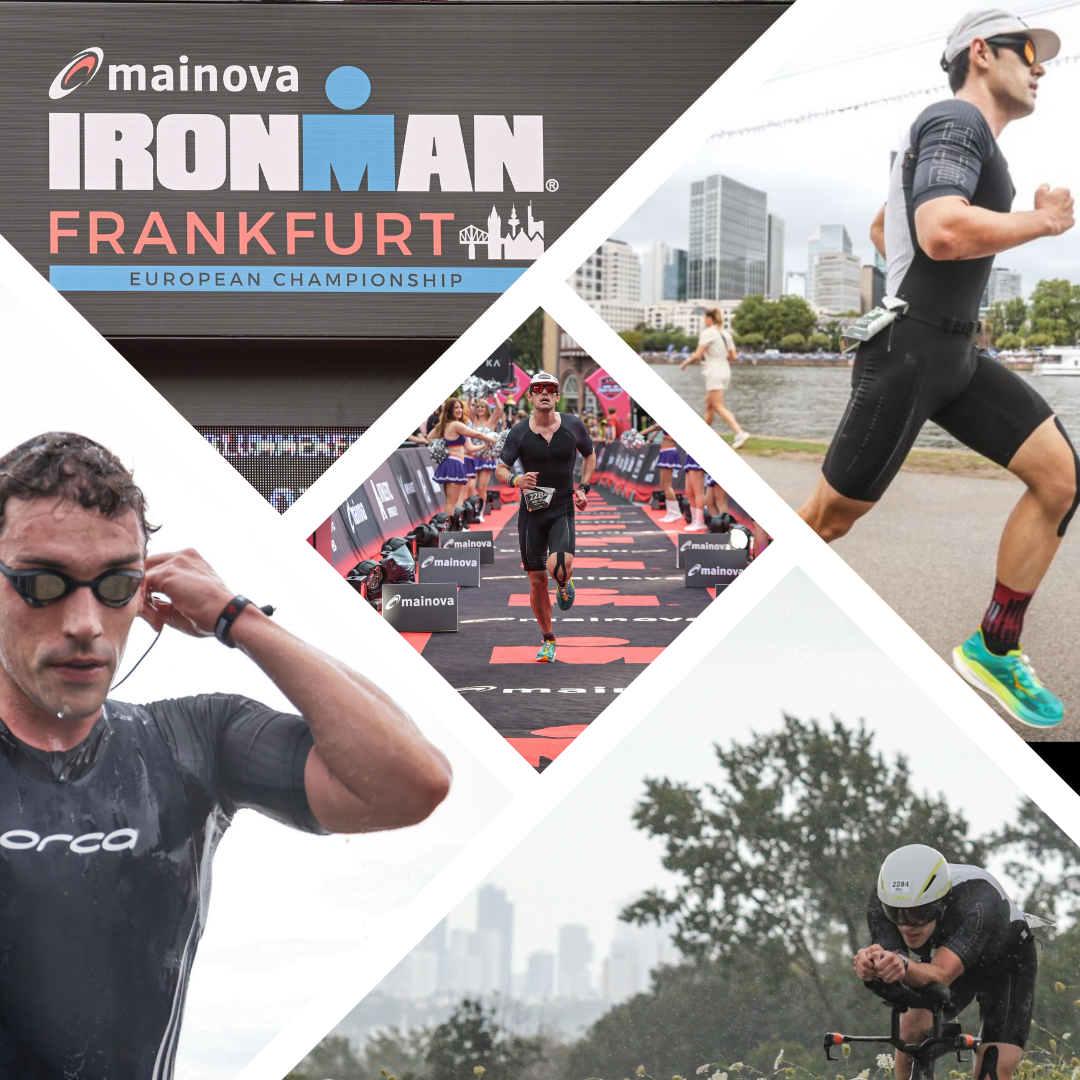
"What drives me is the intersection of rigorous scientific methodology with practical innovation. Whether I'm designing neural network architectures or crossing an Ironman finish line, I believe in pushing boundaries through disciplined, systematic approaches."
Key milestones in my professional development
Enterprise AI implementations and showcases. Bridging academic research with large-scale business applications and system integrations.
Developed and launched full-stack AI platform for endurance sports analytics. Demonstrates end-to-end product development from research to production.
University of Würzburg - Developed ReCSAI and other novel AI algorithms for super-resolution microscopy. Published 12+ papers with 800+ citations.
Built foundational expertise in biophysics, image processing, and early AI applications. First publications in correlative microscopy and image registration.
Core competencies across the AI development stack
How endurance sports shape my approach to research and innovation
Triathlon isn't just a hobby—it's a laboratory for understanding human performance, data optimization, and the psychology of pushing limits. The same methodical approach I apply to training periodization directly influences how I structure AI research projects.
Racing Ironman distances has taught me that breakthrough innovations, like endurance achievements, require patience, systematic progression, and the ability to maintain focus during extended periods of uncertainty. These qualities are essential when developing novel AI architectures or debugging complex neural networks.
European Championship
German Triathlon League
1203km, 17700m elevation
Sports analytics platform
"The best AI solutions emerge at the intersection of rigorous scientific methodology and relentless practical iteration. Whether training for an Ironman or training neural networks, success comes from understanding both the theory and the thousand small details that matter in practice."
Grounded in peer-reviewed research and validated methodologies
Focused on real-world impact and scalable solutions
Persistent, systematic approach to complex challenges
Research presentations and speaking engagements
Conference Presentation use photo
Team Collaboration
Award Ceremony phd photos
Ready to tackle your most challenging AI problems with a research-driven, results-focused approach?